The short answer
When a brand says its product is “third-party tested,” the COA is the receipt. It’s issued by a laboratory (ideally an independent one, not the manufacturer’s own bench) and covers a specific production batch, identified by lot number. If a brand can’t show you a COA for your batch, “tested” is just a word on the label.
What a real COA contains
- Lot / batch number — matching the number printed on your bottle.
- Identity testing — confirms each botanical is the species claimed.
- Potency results — measured amounts versus label claims, ingredient by ingredient.
- Purity panel — heavy metals, microbials, and common contaminants.
- The lab’s name and date — so the results are attributable and current.
Red flags to watch for
- A “COA” with no lot number — that’s a template, not a test.
- Testing “on file” that’s never actually shown to customers.
- Proprietary blends — if doses are hidden on the label, potency can’t be meaningfully verified against it.
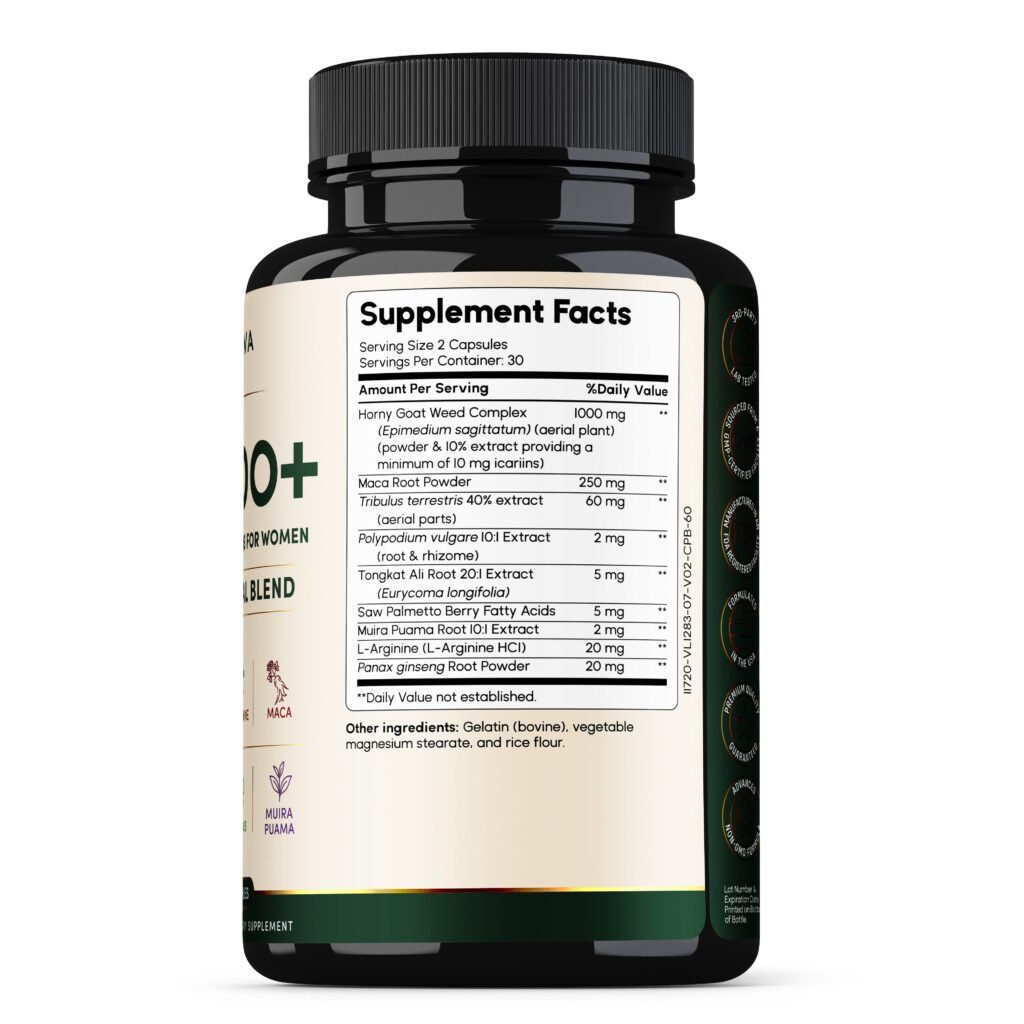
How CLARVA does it: every batch of LIBIDO+, TESTO PLUS, and PERIMENOPAUSE is tested by an independent third-party lab and our FDA-registered facility is separately audited. The lot-specific COA for any released batch is available on request — just send us the lot number on your bottle.
How to verify your own bottle
- Find the lot number printed on your bottle (usually near the base or on the bottom).
- Ask the brand for the COA matching that lot — a transparent brand will produce it quickly.
- Check that measured potencies are within ~10% of label claims and that the purity panel passes.
Supplements are a trust purchase. A COA converts that trust into evidence — which is exactly why we provide ours on request, for any batch, to any customer who asks.